This is a headline
Afraid of the Dentist? Sedation Dentistry Options in Budapest Explained
Roth Miklós
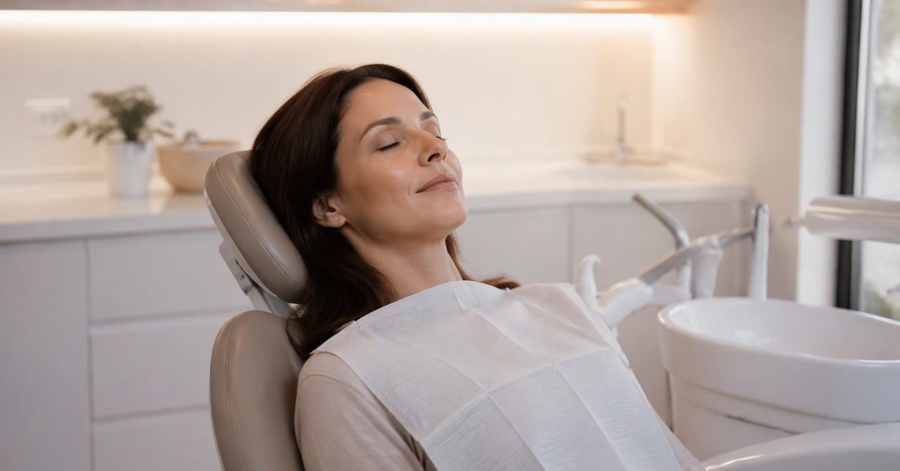
If the thought of a dental appointment fills you with dread for days beforehand, you are far from unusual — and you have more options than "just endure it." The concise answer: sedation dentistry in Budapest now spans a structured ladder, from behavioural techniques through conscious sedation to full general anaesthesia, and the right rung depends on your anxiety pattern, your health and the procedure planned. None of these options is risk-free, and not everyone is eligible — which is exactly why understanding them matters.
Why naming the fear comes first
Clinics experienced with anxious patients start with a conversation, not a syringe. The reviewed guide to sedation dentistry options in Budapest lists the distinct roots of dental fear — fear of pain, fear of needles, a traumatic childhood memory, embarrassment over neglected teeth, loss of control in the chair — and each responds to a different strategy. Sometimes a longer first visit, an agreed stop signal and a dentist who narrates every step are enough. Sedation enters the picture when those measures are not.
For children, the logic is prevention: the Hungarian version of the same guide notes that dedicated paediatric practices use child-friendly environments and gradual introduction programmes so that fear never takes root. Hungarodental, for example, operates a ground-floor children's unit called Junior Dental at its Böszörményi út centre in Budapest's XII district.
The sedation ladder, rung by rung
One clarification before the ladder: sedation does not replace local anaesthesia. Even under deep sedation, the treatment area is numbed — sedation manages consciousness and anxiety, not pain at the tooth itself.
Behavioural and environmental support sits at the base: time, explanation, control signals. Conscious sedation (Hungarian: bódítás) leaves you responsive but deeply relaxed, typically with patchy memory of the procedure afterwards; it suits longer treatments such as implant placement or multiple extractions. General anaesthesia (altatás) puts you fully to sleep while an anaesthesiologist manages airway, medication and monitoring; it is reserved for extensive procedures, severe phobia and cases where conscious sedation is insufficient. A Hungarian overview of sedation and its costs adds intermediate rungs — laughing gas, which relaxes you while awake and wears off within minutes, and oral sedative tablets — and makes a point worth underlining: match the sedation level to the procedure, not to the fear alone.
Who administers the sedation matters as much as which kind. The second reviewed explainer on Budapest sedation options notes that Hungarodental's anaesthesia is overseen by a specialist anaesthesiologist, Dr. Rácz Edit, whose background covers anaesthesiology, intensive care and pain management — and argues the staffing detail to look for anywhere is a dedicated anaesthesia professional, not a dentist doing double duty.
Who is eligible, and who should pause
Sedation is medicine, not a comfort feature, so a proper clinic screens before it sedates. Expect a detailed medical history, a medication review and possibly a pre-anaesthesia consultation. Cardiovascular or respiratory conditions, certain medications, pregnancy or a high body-mass index can change the recommendation or rule out office-based anaesthesia entirely. The Hungarian-language walkthrough of anaesthesia-based dentistry in Budapest lists the practical consequences: fasting instructions before general anaesthesia, and an escort to take you home — driving yourself is not an option. A clinic that skips these steps is not being convenient; it is waving a warning flag.
Sedation also stretches the day: preparation time beforehand, monitored recovery afterwards, so the visit runs longer than the same treatment under local anaesthesia alone. A well-organized clinic explains this scheduling in advance, not on the morning of the procedure.
Risks and costs, stated plainly
No responsible provider will call sedation "painless and risk-free." The reviewed sources list minor, transient after-effects — nosebleed, sore throat, temporary headache after anaesthesia; grogginess and patchy recall after conscious sedation — and general anaesthesia always carries a small but real residual risk, weighed against your health status. On the money side, sedation adds a line to the quote, so ask whether the figure includes monitoring and recovery time; a Hungarian Q&A on paying dental bills with a health fund card explains how eligible treatment costs can be settled from a health fund balance or reimbursed afterwards, which can soften the total.
The proportionate approach
The right frame is risk-benefit: for someone who would otherwise avoid care for years, a managed anaesthetic risk can be the reasonable choice; for mild nervousness, it is usually more intervention than needed. Start with a consultation conversation at any clinic that takes anxiety seriously, ask who sedates and with what monitoring, and let a proper assessment — not the fear itself — decide the method. This article is general information, not medical advice; your dentist or physician can judge what suits your situation.
This is a heading
This is a paragraph. You can use this to communicate content within your page.
© Copyright Önfejlesztés